
Rise in Wholesale Price Index (WPI)
Context:
WPI-based inflation in India rose to 3.88% in March 2026 (a 3-year high) from 2.1% in February, driven by higher prices of fuel, manufacturing goods, and primary articles. This reflects rising production costs and supply chain disruptions due to geopolitical tensions.
About Wholesale Price Index (WPI):
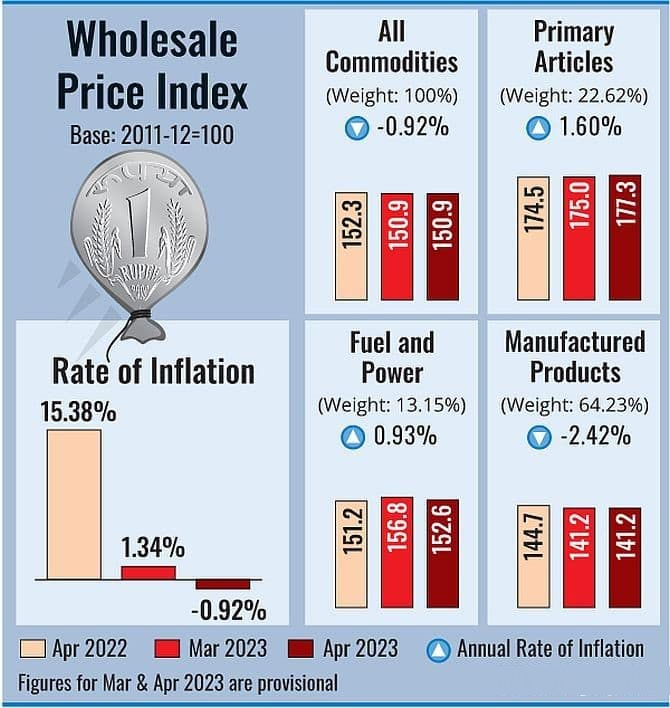
WPI measures the average change in prices at the wholesale level and captures prices at the first point of bulk sale in domestic markets. It is published by the Office of the Economic Adviser (DPIIT, Ministry of Commerce & Industry), with base year 2011–12 and a basket of 697 commodities. Its composition includes Primary Articles (22.618%), Fuel & Power (13.152%), and Manufactured Products (64.230%), which form the largest share.
Key Drivers of Inflation:
The rise in WPI inflation is due to both global and domestic factors. Crude oil and energy prices increased significantly, with petroleum prices rising by over 50% due to geopolitical tensions in West Asia disrupting supply chains. Industrial input costs also surged, including sulfuric acid (77.2%), copper wire (21.9%), and aluminum powder (15.8%). Manufactured goods, which have the highest weight in WPI, rose by 3.4%, with price increases in 16 out of 22 sub-groups.
Food Inflation Scenario:
Despite overall inflation, food inflation remained relatively stable at 1.85%. Prices of cereals, pulses, and wheat declined, along with sharp drops in potato and onion prices. However, vegetable prices increased by 1.5%, which may impact low-income households.
Impact on Economy and Investors:
Rising input costs are expected to compress corporate profit margins, especially in metal and energy-intensive sectors. If wholesale inflation affects retail inflation (CPI), the Reserve Bank of India may maintain higher interest rates. Inflationary pressure may also reduce investor confidence and affect foreign portfolio investment (FPI).
WPI vs PPI:
WPI measures wholesale prices of goods but excludes services, while PPI (Producer Price Index) includes both goods and services and avoids double counting. CPI measures retail prices paid by consumers. Globally, many economies prefer PPI for more accurate inflation measurement.
Why Shift from WPI to PPI?
WPI excludes the services sector, which contributes over 55% to India’s GDP. It also ignores taxes and subsidies and suffers from double counting. PPI is more comprehensive and aligned with global standards, including those used in developed economies like the USA.
Conclusion:
The rise in WPI indicates cost-push inflation in the economy. Policymakers face the challenge of balancing inflation control with growth amid global shocks. Transitioning to PPI could improve the accuracy of inflation measurement and economic policy formulation.



