
Context:
Recently, The Parliamentary Standing Committee on Finance has recommended a dedicated legislative framework for Virtual Digital Assets (VDAs) in India. Noting that nearly 12 crore Indians participate in this ecosystem, the panel highlighted an urgent need to bridge the "existing regulatory vacuum" to protect investor interests and ensure market discipline.
Nature and Current Status of VDAs:
-
-
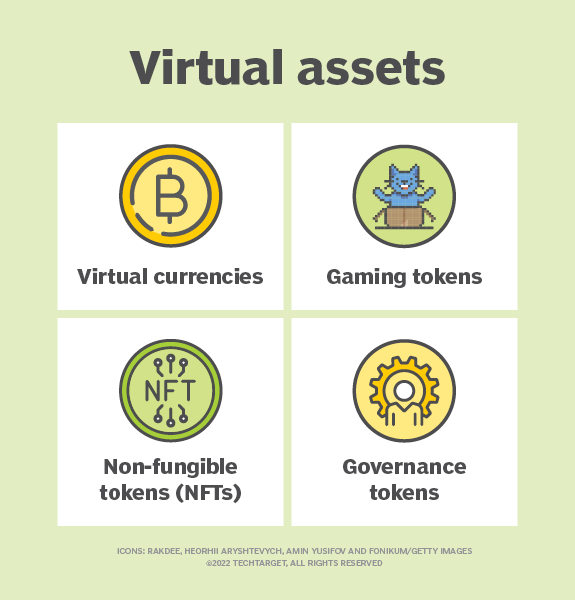
- Virtual Digital Assets encompass cryptocurrencies, Non-Fungible Tokens (NFTs), and code-based digital tokens. They differ fundamentally from traditional assets like shares or bonds, which represent legal claims on corporate equity or debt. Instead, VDAs rely on decentralized ledger technology and lack intrinsic physical backing.
- Currently, India’s approach to VDAs is limited to financial oversight without legal recognition:
- Taxation: Defined under Section 2(47A) of the Income Tax Act, VDA transactions attract a 30% tax on gains and a 1% Tax Deducted at Source (TDS). However, taxation does not imply legality or legal tender status.
- Anti-Money Laundering: VDA platforms must register as reporting entities under the Prevention of Money Laundering Act (PMLA) and comply with Financial Intelligence Unit (FIU-IND) norms.
- Taxation: Defined under Section 2(47A) of the Income Tax Act, VDA transactions attract a 30% tax on gains and a 1% Tax Deducted at Source (TDS). However, taxation does not imply legality or legal tender status.
- Virtual Digital Assets encompass cryptocurrencies, Non-Fungible Tokens (NFTs), and code-based digital tokens. They differ fundamentally from traditional assets like shares or bonds, which represent legal claims on corporate equity or debt. Instead, VDAs rely on decentralized ledger technology and lack intrinsic physical backing.
-
The Need for a Standalone Framework:
The committee advised against packing VDAs into the proposed Securities Market Code (SMC). Traditional securities laws assume an identifiable issuer and centralized clearings. Because VDAs operate on boundaryless, decentralized protocols, forcing them into existing laws creates ambiguity. A separate framework provides regulatory certainty and accounts for the unique architectural risks of decentralized finance.
Structural Solutions:
-
-
- To mitigate immediate vulnerabilities, the committee proposed an interim mechanism through recognized Self-Regulatory Organisations (SROs) operating under a designated regulator. SROs can enforce agile, industry-specific standards:
- Governance: Mandating minimum transparency, transaction disclosures, and strict codes of conduct.
- Investor Protection: Establishing mandatory grievance redressal mechanisms to handle retail disputes.
- Governance: Mandating minimum transparency, transaction disclosures, and strict codes of conduct.
- To mitigate immediate vulnerabilities, the committee proposed an interim mechanism through recognized Self-Regulatory Organisations (SROs) operating under a designated regulator. SROs can enforce agile, industry-specific standards:
-
Conclusion:
India’s evolving VDA strategy highlights the classic regulatory challenge of balancing technological innovation with financial stability. While taxation and AML checks have brought the sector under basic surveillance, they cannot substitute for a comprehensive consumer protection law. Moving forward, India must leverage SROs for flexible interim oversight while actively participating in international frameworks, ensuring that its domestic digital economy remains resilient against global financial crimes.



