
Transformation in India’s Payment System
Why in News:
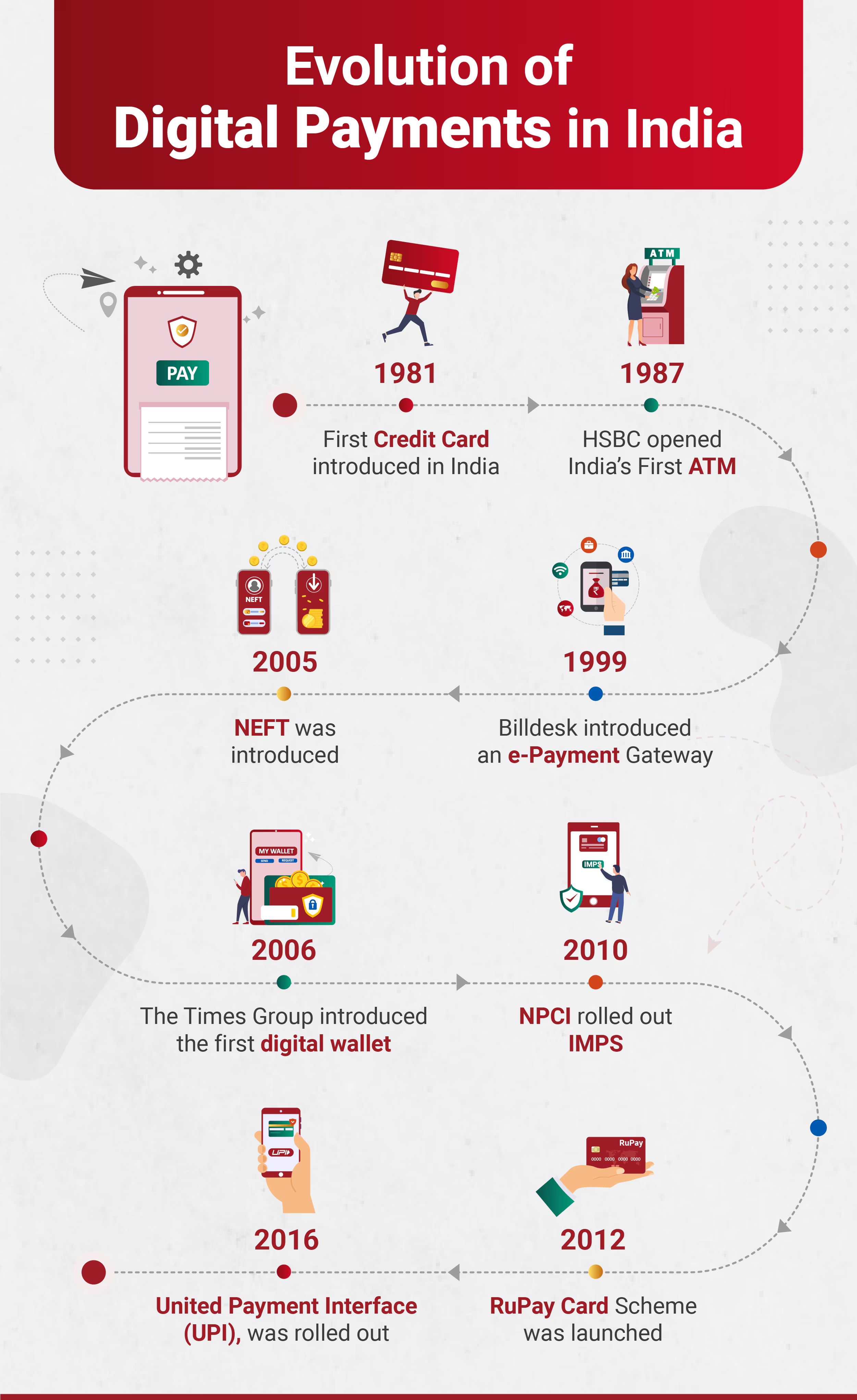
According to the recent payment system report of the Reserve Bank of India, a major structural transformation has emerged in India’s digital payment landscape. Over the last four years (2021–2025), consumer preference has rapidly shifted away from traditional debit cards toward Unified Payments Interface (UPI), credit cards, and digital wallets.
Key Findings of the Report:
-
-
- Decline in Debit Card Usage: Between 2021 and 2025, the number of debit card transactions declined sharply by 67%. The figure fell from 4.087 billion to 1.336 billion transactions. Their total transaction value also decreased from ₹7.4 lakh crore to ₹4.5 lakh crore. Debit cards are now increasingly limited mainly to cash withdrawals through ATMs.
- Surge in Credit Card Usage: The number of credit card transactions increased from 2.16 billion to 5.7 billion, reflecting nearly a 2.6-fold rise. The total transaction value reached ₹23.2 lakh crore, with private banks accounting for a 71.1% share.
- Dominance of UPI: By the second half of 2025, UPI accounted for 85.5% of the total payment volume. However, due to its extensive use for small-value payments (below ₹500), its share in the total transaction value stood at 9.5%.
- Decline in Debit Card Usage: Between 2021 and 2025, the number of debit card transactions declined sharply by 67%. The figure fell from 4.087 billion to 1.336 billion transactions. Their total transaction value also decreased from ₹7.4 lakh crore to ₹4.5 lakh crore. Debit cards are now increasingly limited mainly to cash withdrawals through ATMs.
-
Major Reasons Behind the Shift:
-
-
- Convenience and Zero Charges: The instant payment facility provided by UPI, along with the “Zero Merchant Discount Rate (Zero MDR)” policy, has made it universally accepted—from street vendors to large shopping malls.
- Credit-Linked UPI and Rewards: After the Reserve Bank of India permitted linking of RuPay credit cards with UPI, consumers gained access to credit facilities without swiping physical cards. Additionally, cashback offers and reward points on credit cards are attracting more users.
- Changing Financial Behaviour: Consumers are increasingly preferring short-term credit options such as “Buy Now, Pay Later” services and credit cards instead of spending directly from their deposited savings through debit transactions.
- Convenience and Zero Charges: The instant payment facility provided by UPI, along with the “Zero Merchant Discount Rate (Zero MDR)” policy, has made it universally accepted—from street vendors to large shopping malls.
-
Impact:
-
-
- Expansion of the Formal Economy: The rise in digital transactions has reduced dependence on cash, helping curb the parallel economy (black money) and broaden the tax base.
- Financial Inclusion 2.0: The presence of more than 730 million UPI QR codes across the country indicates that digital financial inclusion has now reached the last mile.
- Challenges of Cyber security and Financial Risks: The rapid growth in credit cards and digital lending has increased the risk of consumers falling into debt traps. At the same time, there is a growing need for a robust technological framework to prevent cyber frauds.
- Expansion of the Formal Economy: The rise in digital transactions has reduced dependence on cash, helping curb the parallel economy (black money) and broaden the tax base.
-
Way Forward:
India’s transition toward a cashless economy is commendable. However, to ensure that this growth remains sustainable in the long term, the Reserve Bank of India must focus on enhancing financial literacy, strengthening cyber security standards, and further improving digital infrastructure in rural areas.



