
‘Soil Sakhi’ Initiative
Context:
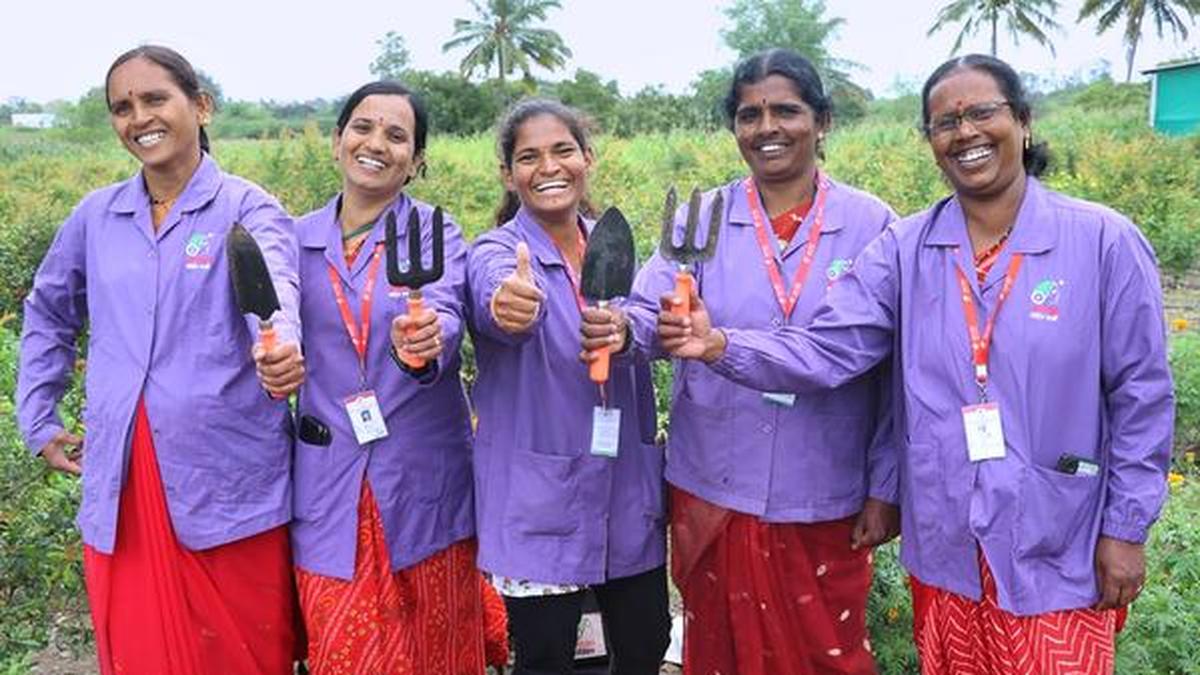
In recent times, in Maharashtra’s drought-affected areas, the ‘Soil Sakhi’ (Soil Sakhis) initiative has become an innovative model for empowering rural women and increasing agricultural resilience. Trained women are improving soil health through soil testing and scientific farming, which reduces farming cost and increases production. This initiative presents an example of women-led agriculture (feminisation of agriculture) and equally participatory rural development.
Background:
In several districts of Maharashtra, due to water scarcity and decline in soil fertility, there is a livelihood crisis for small and marginal farmers. Excessive and imbalanced use of chemicals has affected soil’s biological condition and water retention capacity. In this situation, traditional agricultural techniques are proving inadequate, increasing the need for community-based science and training.
About ‘Soil Sakhi’:
Soil Sakhis are rural women leaders, who are trained so that they can play the role of para-extension agents in their villages. These women:
-
-
- Conduct scientific soil testing and nutrient analysis.
- Provide soil and nutrition-related information to fellow farmers through Self Help Groups (SHGs).
- Provide guidance for crop planning, climate adaptation, and sustainable farming.
- Conduct scientific soil testing and nutrient analysis.
-
Through these Sakhis, women not only work as farm laborers but also become decision-makers, who can lead agriculture.
Feminisation of Agriculture:
Due to male migration and changes in rural labor, women’s participation in agriculture in India is increasing continuously. The ‘Soil Sakhi’ initiative strengthens this feminisation and provides women with technical knowledge, leadership, and economic empowerment.
Role of Self-Help Groups (SHGs):
Self-Help Groups are the backbone of this initiative. These groups:
-
-
- Provide a platform for collective learning and resource sharing.
- Ensure women’s access to credit, insurance, and government schemes.
- Provide opportunities to start micro-enterprises, such as soil testing and agricultural consultancy.
- In this way, SHGs build an empowered rural network with social and economic support.
- Provide a platform for collective learning and resource sharing.
-
Impact and Importance:
-
-
- Soil Health and Productivity: Scientific farming and proper nutrient management reduce costs and increase yield.
- Economic Empowerment: Women get new sources of income and leadership roles.
- Social Change: Challenges rural patriarchal structures and recognizes women as ‘knowledge holders’.
- Climate Resilience: Development of sustainable and resilient agriculture in drought-affected areas.
- Soil Health and Productivity: Scientific farming and proper nutrient management reduce costs and increase yield.
-
Policy Relation:
This model aligns with National Rural Livelihood Mission (NRLM), Mahila Kisan Sashaktikaran Pariyojana (MKSP), and Krishi Sakhi programs. Through these programs, SHGs and Sakhis receive training, financial, and technical support, ensuring women’s empowered and participatory leadership.



