
Context:
A recent bird survey conducted in Silent Valley National Park in Kerala recorded 192 bird species, highlighting the region’s rich biodiversity and ecological significance. The survey was carried out from March 6–8, 2026, jointly by the Kerala Forest Department and the Malabar Natural History Society, with participation from about 85 birdwatchers from Kerala and Tamil Nadu.
Key Findings of the Survey:
-
-
-
- High Avian Diversity:
- The survey documented 192 species of birds, making it one of the most comprehensive assessments of birdlife in the park.
- The previous survey conducted in 2023 recorded 175 species, indicating an increase in recorded diversity.
- The survey documented 192 species of birds, making it one of the most comprehensive assessments of birdlife in the park.
- Rare Migratory Birds Recorded: The survey documented rare migratory species such as:
- Asian House Martin
- Western House Martin
- Asian House Martin
- These migratory birds typically originate from regions such as North Asia and Europe, showing the park’s role in global migratory bird networks.
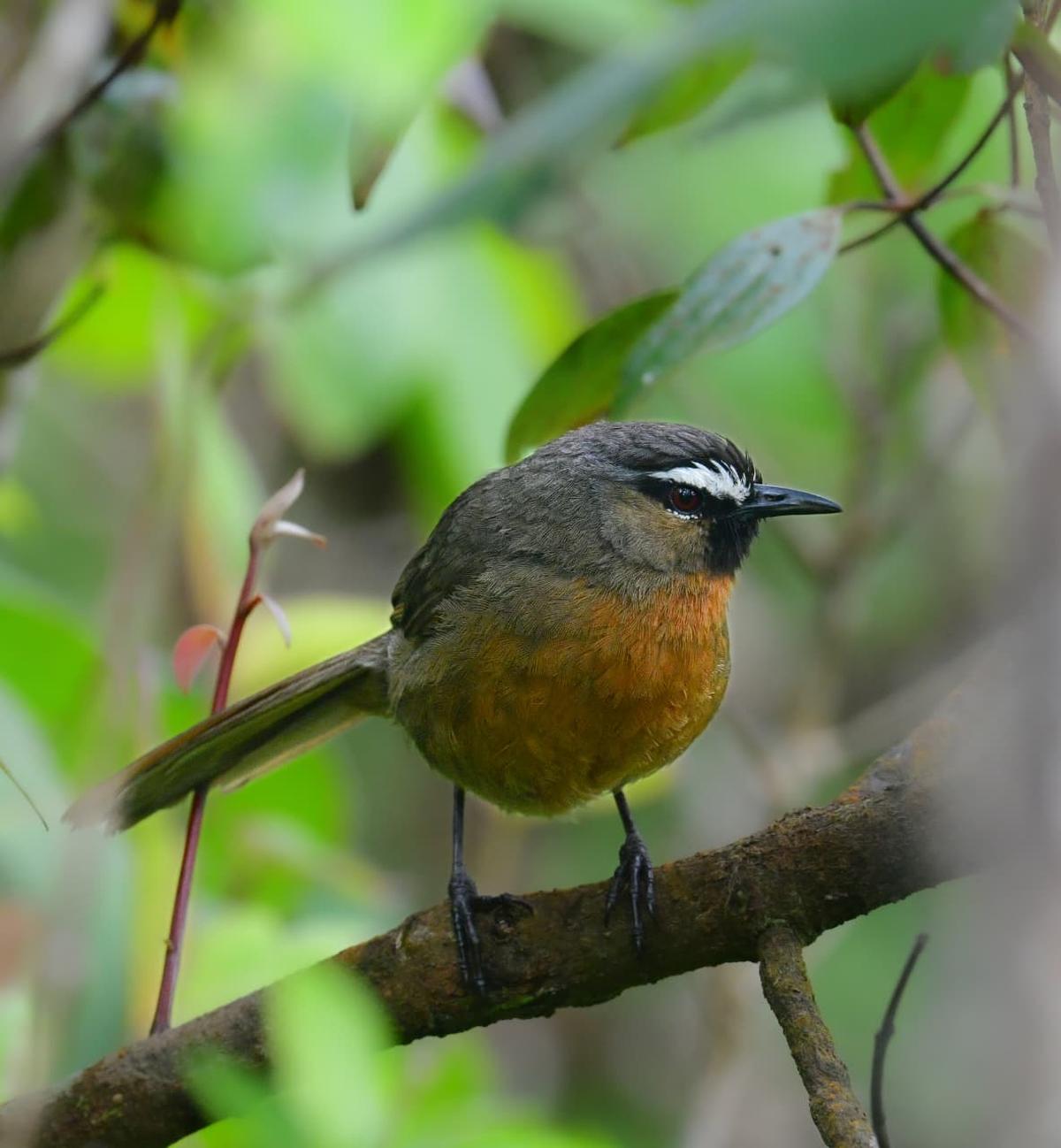
- Western Ghats Endemic Species: The survey also identified 20 species endemic to the Western Ghats, including:
- Nilgiri Laughingthrush
- Black-and-Orange Flycatcher
- White-bellied Treepie
- Nilgiri Pipit
- White-bellied Blue Flycatcher
- Nilgiri Sholakili (Nilgiri Blue Robin)
- Nilgiri Laughingthrush
- Endemic species are those found only in a particular geographic region, making them particularly important for conservation.
- Evidence of Bird Breeding: Researchers also recorded breeding activity in several species such as:
- Sri Lankan Frogmouth
- Indian Nightjar
- Malabar Trogon
- Crimson-backed Sunbird
- Malabar Grey Hornbill
- Sri Lankan Frogmouth
- This indicates that Silent Valley is not only a habitat for birds but also a key breeding ground.
- High Avian Diversity:
-
-
About Silent Valley National Park:
-
-
-
- Silent Valley National Park is located in Palakkad district of Kerala and forms part of the Nilgiri Biosphere Reserve in the Western Ghats.
- Key features include:
- One of the last remaining undisturbed tropical evergreen rainforests in India.
- Known for high endemism and biodiversity.
- The Kunthipuzha River, a tributary of the Bharathapuzha, flows through the park.
- Habitat for species such as the lion-tailed macaque, Nilgiri langur, and Malabar giant squirrel.
- One of the last remaining undisturbed tropical evergreen rainforests in India.
- The Western Ghats, where the park is located, is recognized as one of the world’s eight “hottest” biodiversity hotspots.
- Silent Valley National Park is located in Palakkad district of Kerala and forms part of the Nilgiri Biosphere Reserve in the Western Ghats.
-
-
Ecological Significance:
The survey highlights several ecological roles of Silent Valley:
-
-
-
- Acts as a critical refuge for endemic and threatened species.
- Serves as an important stopover site for migratory birds.
- Maintains ecosystem stability and biodiversity in the Western Ghats.
- Provides valuable data for biodiversity monitoring and conservation planning.
- Acts as a critical refuge for endemic and threatened species.
-
-
Conclusion:
The recording of 192 bird species in Silent Valley National Park underscores the ecological importance of this rainforest ecosystem in the Western Ghats. Continued biodiversity surveys and conservation efforts are essential to protect such habitats from threats like climate change, habitat fragmentation and human interference. Strengthening conservation measures will help preserve Silent Valley as a global biodiversity treasure and vital bird habitat.



