
Context:
Recently, India established its first government-supported national biobank dedicated to Lysosomal Storage Disorders (LSDs), a group of more than 70 rare, inherited metabolic conditions that are often life-threatening and lack effective treatments.
About Biobank:
A biobank is a specialised facility that collects, processes, stores, and manages human biological samples (such as blood, tissue, DNA, and urine), along with associated health data for research purposes. These repositories are crucial for advancing medical research, understanding diseases, and developing personalised medicines. They follow strict ethical guidelines to ensure participant confidentiality and informed consent.
About Lysosomal Storage Disorders:
-
-
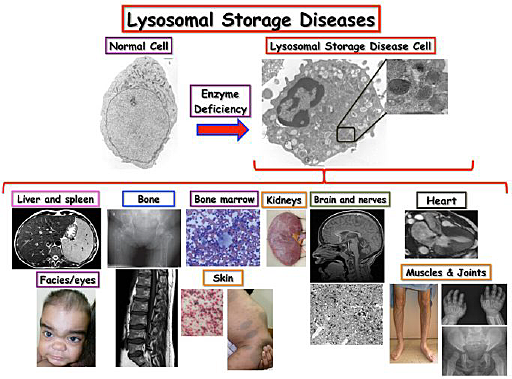
- LSDs are rare genetic metabolic diseases caused by the deficiency of specific enzymes or activators required to break down complex molecules such as fats and sugars. Their absence leads to the accumulation of toxic substances in cells, resulting in progressive organ damage and severe morbidity.
- Over 12,000 patients in India are estimated to be affected by LSDs.
- Only a small fraction of LSDs currently have therapies, and available treatments are often prohibitively expensive (frequently exceeding ₹1 crore per patient annually).
- LSDs are rare genetic metabolic diseases caused by the deficiency of specific enzymes or activators required to break down complex molecules such as fats and sugars. Their absence leads to the accumulation of toxic substances in cells, resulting in progressive organ damage and severe morbidity.
-
Key Features of the Biobank:
-
-
- National Resource: Covers data and bio specimens of 530 patients drawn from 15 states across India.
- Biological Samples: Includes genomic DNA from blood, plasma, and urine, alongside detailed clinical, enzyme activity, and genetic profiles.
- Diverse Disorders: Encompasses 27 distinct LSDs, with common conditions such as Gaucher disease, Tay-Sachs disease, Mucolipidosis, and Morquio A syndrome represented in the cohort.
- Centralised Platform: A digital database maintains both clinical and genomic data, enabling structured access for researchers and institutions.
- National Resource: Covers data and bio specimens of 530 patients drawn from 15 states across India.
-
How It Supports Research and Healthcare:
-
-
- Bridges Data Gaps: Addresses the long-standing absence of a nationwide, centralised clinical and genomic registry for LSDs.
- Facilitates Therapeutic Development: Researchers are already using biobank data to develop potential screening tools, disease models, and therapeutic strategies, including stem cell-based research collaborations.
- Enables Precision Medicine: The repository provides a platform for genotype-phenotype correlation studies and natural history analyses that may eventually aid in precision diagnostics and tailored treatments.
- Rare Disease Policy: This biobank complements India’s National Policy for Rare Diseases (NPRD) 2021, which seeks to improve care and support for patients with rare genetic conditions.
- Bridges Data Gaps: Addresses the long-standing absence of a nationwide, centralised clinical and genomic registry for LSDs.
-
Conclusion:
India’s national biobank for LSDs is a pioneering step in rare disease governance, research infrastructure, and clinical science, offering hope for improved understanding, early diagnosis, and therapeutic innovation for some of the most challenging genetic disorders in the country.



