
Context:
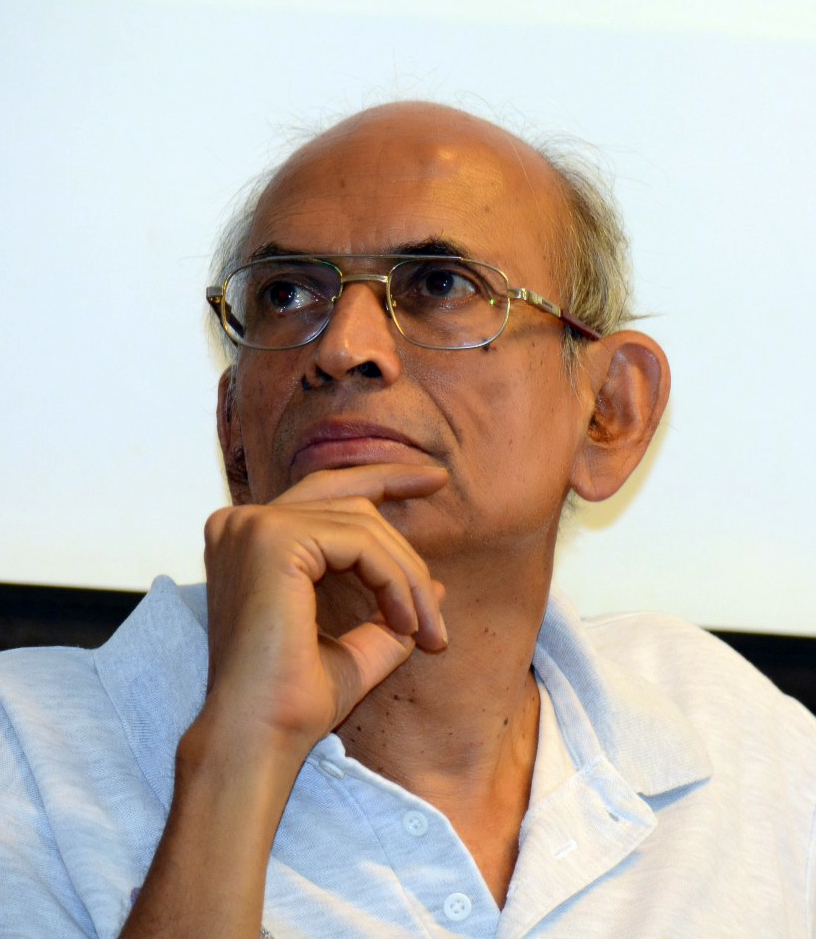
Professor Madhav Dhananjaya Gadgil (1942 – 7 January 2026), one of India’s most distinguished ecologists and environmental thinkers, passed away in Pune after a brief illness at the age of 83. His scientific rigour, ethical commitment, and deep empathy for both nature and society made him a defining voice in India’s environmental discourse.
Championing People-Centred Conservation:
-
-
-
- Philosophy of Inclusive Environmentalism:
- Unlike protectionist models that often marginalised forest-dependent communities, Gadgil argued that people—especially tribal, forest, and farming communities—are integral to ecosystems and must be recognised as constituents of nature rather than obstacles to conservation. Over decades, he championed a democratic, participatory approach to environmental governance that balanced ecological integrity with human rights and livelihoods.
- Unlike protectionist models that often marginalised forest-dependent communities, Gadgil argued that people—especially tribal, forest, and farming communities—are integral to ecosystems and must be recognised as constituents of nature rather than obstacles to conservation. Over decades, he championed a democratic, participatory approach to environmental governance that balanced ecological integrity with human rights and livelihoods.
- Western Ghats Ecology Expert Panel (WGEEP):
- Appointed by the Government of India in 2010, Gadgil chaired the Western Ghats Ecology Expert Panel, popularly known as the Gadgil Commission. Its 2011 report was a landmark: it identified much of the Western Ghats as ecologically sensitive, recommended graded protection zones, and emphasised community-driven ecological management alongside regulated development to safeguard both biodiversity and local livelihoods. Although the report sparked intense debate and resistance, it transformed how ecological sensitivity and development conflicts are understood in India.
- Appointed by the Government of India in 2010, Gadgil chaired the Western Ghats Ecology Expert Panel, popularly known as the Gadgil Commission. Its 2011 report was a landmark: it identified much of the Western Ghats as ecologically sensitive, recommended graded protection zones, and emphasised community-driven ecological management alongside regulated development to safeguard both biodiversity and local livelihoods. Although the report sparked intense debate and resistance, it transformed how ecological sensitivity and development conflicts are understood in India.
- Philosophy of Inclusive Environmentalism:
-
-
Legacy in Policy and Practice:
-
-
-
- Gadgil’s influence extended far beyond the Western Ghats:
- He was a key architect of the Biological Diversity Act (2002), which provides a legal framework for equitable biodiversity conservation involving local bodies.
- He supported the drafting and implementation of community rights in forest governance, reinforcing the role of indigenous and marginalised communities in ecological stewardship.
- His ideas helped shape joint forest management and participatory conservation models across India.
- In 2024, he was honoured with the United Nations Environment Programme’s “Champions of the Earth” award for his outstanding contributions to ecological sustainability and community-oriented conservation.
- He was a key architect of the Biological Diversity Act (2002), which provides a legal framework for equitable biodiversity conservation involving local bodies.
- Gadgil’s influence extended far beyond the Western Ghats:
-
-
Conclusion:
Madhav Gadgil leaves behind a profound legacy grounded in holistic ecology, social justice, and democratic participation. By reframing conservation as a dialogue between science and society, he shifted India’s environmental paradigm from exclusionary protection to people-driven stewardship of nature. His life’s work remains crucial for harmonising ecological protection with human dignity and sustainable development—a guiding template for future generations confronting the intertwined challenges of biodiversity loss and social equity.



