
Context:
Recently, on 19 January, the President of the United Arab Emirates (UAE), Sheikh Mohamed bin Zayed Al Nahyan, was on a very brief visit to India. During the visit, he held a meeting with Indian PM in New Delhi. The discussions focused on expanding cooperation across nuclear energy, artificial intelligence (AI), defence, counter-terrorism, and economic ties, reflecting the deepening strategic partnership between the two countries.
Key Areas of Cooperation from the 2026 Meeting:
-
-
- Energy Security: The leaders welcomed a 10-year LNG supply agreement under which ADNOC Gas will supply 0.5 million tonnes per annum of liquefied natural gas to Hindustan Petroleum Corporation Limited (HPCL) starting in 2028, reinforcing the UAE’s role as a critical energy partner for India.
- Nuclear Cooperation: Both sides agreed to explore collaboration in advanced nuclear technologies, including large nuclear reactors and Small Modular Reactors (SMRs). This cooperation is facilitated by India’s SHANTI law, which enables international collaboration in the civil nuclear sector.
- AI and Digital Infrastructure: Cooperation in AI, data, and digital ecosystems was prioritised. Discussions included establishing a supercomputing cluster in India, UAE investments in data centres, and the concept of Digital Embassies to ensure digitally sovereign infrastructure. The UAE also expressed support for India’s AI Impact Summit 2026.
- Defence and Counter-Terrorism: The meeting resulted in a Letter of Intent on a Strategic Defence Partnership. Both leaders unequivocally condemned terrorism and agreed to enhance cooperation through international mechanisms such as the Financial Action Task Force (FATF) to counter terror financing and money laundering.
- Trade, Investment, and MSMEs: Beyond the shared goal of achieving US$200 billion in bilateral trade, both sides reviewed strategic investments, including UAE participation in the Special Investment Region at Dholera. Initiatives such as Bharat Mart, Virtual Trade Corridor, and Bharat Africa Setu were highlighted to strengthen MSME linkages across regions.
- Space, Food Security, and Cultural Ties: India and the UAE agreed to deepen cooperation in the space sector, build resilient food supply chains, and enhance people-to-people ties, including plans to establish a “House of India” in Abu Dhabi.
- Energy Security: The leaders welcomed a 10-year LNG supply agreement under which ADNOC Gas will supply 0.5 million tonnes per annum of liquefied natural gas to Hindustan Petroleum Corporation Limited (HPCL) starting in 2028, reinforcing the UAE’s role as a critical energy partner for India.
-
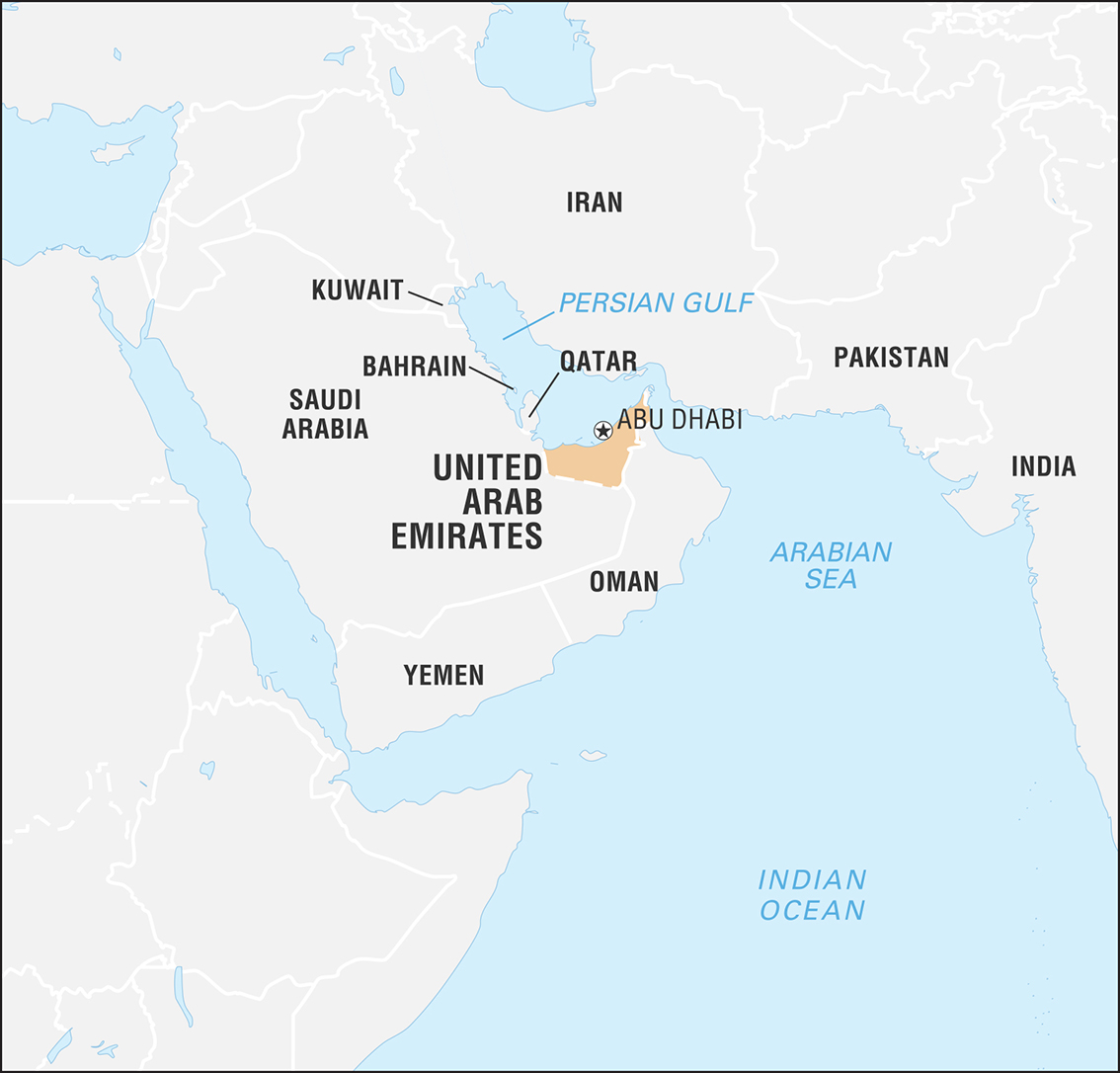
About India–UAE Relations:
-
-
- Historical and Diplomatic Foundations: India and the UAE have maintained diplomatic relations since 1972, supported by regular high-level engagements and growing strategic convergence. Over time, the relationship has expanded beyond traditional trade to encompass energy, investment, security, technology, culture, and diaspora linkages.
- Comprehensive Strategic Engagement: The partnership has been elevated to a Comprehensive Strategic Partnership, reflecting shared interests in regional stability, economic growth, and cooperation in global governance. India’s prominence in the Gulf region and the UAE’s role as a gateway to the Middle East and Africa have further strengthened this engagement.
- Economic and Trade Integration: Economic ties have accelerated following the India-UAE Comprehensive Economic Partnership Agreement (CEPA) in 2022, which reduced tariffs and expanded market access. The UAE has emerged as India’s third-largest trading partner and second-largest export destination, with bilateral trade exceeding US$100 billion in recent years. Both countries aim to double trade to US$200 billion by 2032.
- Historical and Diplomatic Foundations: India and the UAE have maintained diplomatic relations since 1972, supported by regular high-level engagements and growing strategic convergence. Over time, the relationship has expanded beyond traditional trade to encompass energy, investment, security, technology, culture, and diaspora linkages.
-
Conclusion:
The concise yet substantive meeting between Prime Minister Modi and President Sheikh Mohamed bin Zayed underscores the multi-dimensional India–UAE partnership spanning economy, technology, security, and culture. The emphasis on nuclear cooperation, AI collaboration, and counter-terrorism highlights a mature strategic alliance that supports regional stability and shared prosperity. Further consolidation of this partnership is expected under India’s BRICS 2026 chairmanship, enhancing its global and regional influence.



