
India’s Semiconductor Market Growth: $50B to $300B by 2035
Context:
Recently, a report released by Deloitte noted that India’s semiconductor market will increase from about $45–50 billion today to $300 billion by 2035. It may reach around $120 billion by 2030. This shows that India is becoming important in the global technology sector.
About Semiconductor:
-
-
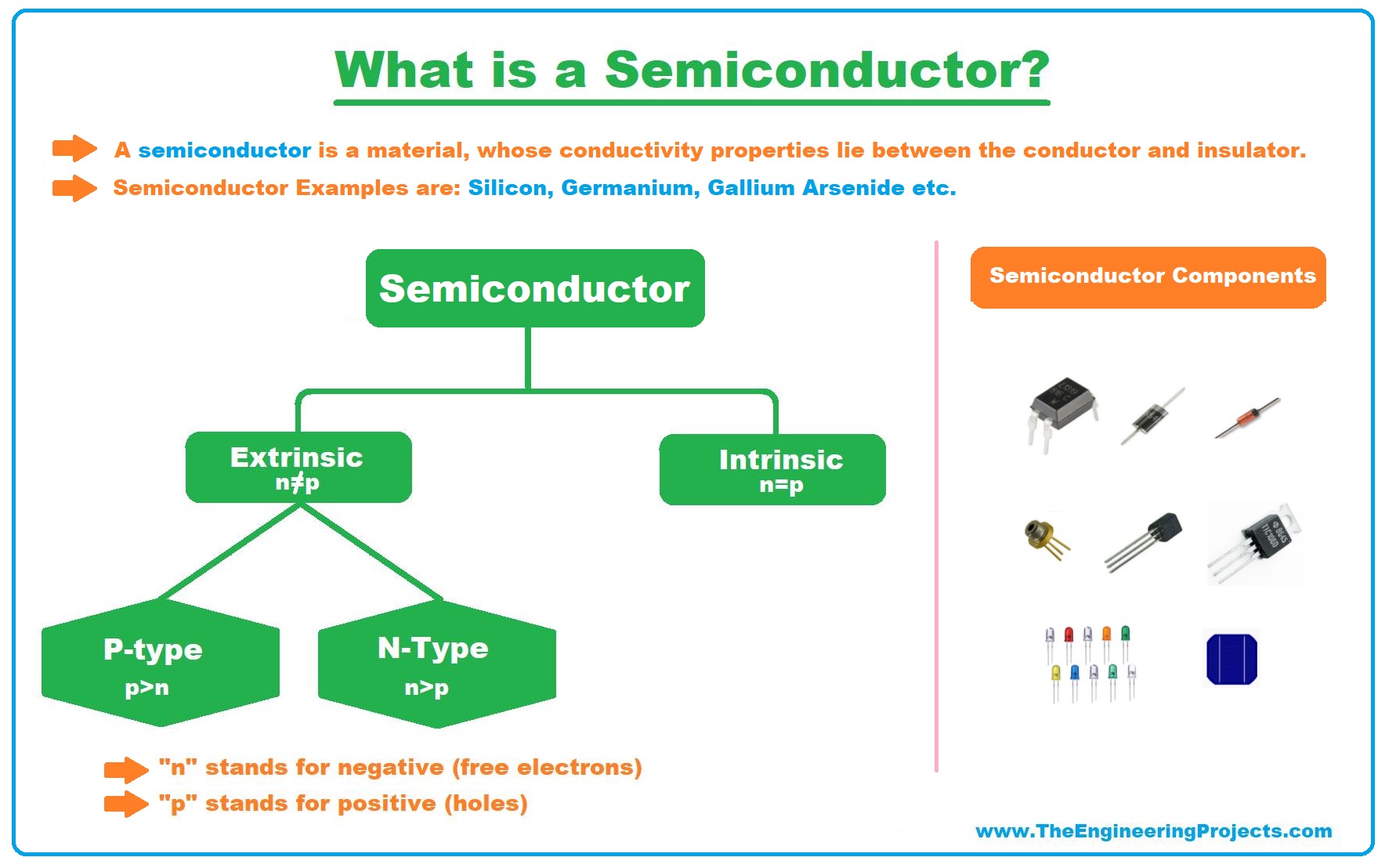
- A semiconductor is a material like silicon that is used to make electronic chips. These chips are the “brain” of modern devices. They are used in mobile phones, computers, cars, and many other machines. Without semiconductors, modern technology cannot function.
- They are also important for new technologies like Artificial Intelligence (AI), electric vehicles, and data centres. Because of this, semiconductors are considered very important for economic growth and national security.
- A semiconductor is a material like silicon that is used to make electronic chips. These chips are the “brain” of modern devices. They are used in mobile phones, computers, cars, and many other machines. Without semiconductors, modern technology cannot function.
-
Growth Drivers and Government Initiatives:
-
-
- The demand for semiconductors in India is increasing because of the growth of AI, smartphones, electric vehicles, and digital services. Globally, semiconductor demand is also rising due to AI and data centres.
- The Government of India has taken many steps to develop this sector. The India Semiconductor Mission (ISM) was launched to build a complete ecosystem, including the design, manufacturing, and testing of chips.
- The government is also providing financial support and incentives to companies to set up chip factories. A new phase, India Semiconductor Mission 2.0, aims to further strengthen the industry through large investments and better supply chains.
- At present, India imports more than 90% of its semiconductor needs, but this is expected to change in the coming years. By 2035, India may produce around 60% of its own demand.
- The demand for semiconductors in India is increasing because of the growth of AI, smartphones, electric vehicles, and digital services. Globally, semiconductor demand is also rising due to AI and data centres.
-
Challenges:
-
-
- Despite high growth potential, the semiconductor sector faces many challenges. It requires very high investment, advanced technology, and skilled workers.
- India also faces strong competition from countries like Taiwan and the USA. There is also a shortage of skilled manpower and gaps in infrastructure.
- Despite high growth potential, the semiconductor sector faces many challenges. It requires very high investment, advanced technology, and skilled workers.
-
Way Forward:
To overcome these challenges, India needs to focus on skill development, research and development, and better infrastructure. Strong coordination between the central and state governments is also necessary.
India has a great opportunity to become a global semiconductor hub. With proper policies and implementation, India can reduce imports and become self-reliant in this important sector.
Prelims Facts:
|



