
Context:
Recently, Maharashtra Deputy Chief Minister Ajit Pawar died when his chartered aircraft crashed while landing at Baramati Airport in Pune. Preliminary reports suggest the plane crashed short of the runway, and the Aircraft Accident Investigation Bureau (AAIB) is probing the incident. This tragedy highlighted longstanding concerns about safety in India’s rapidly expanding aviation sector.
Parliamentary Panel Warning:
Months before the crash, a Parliamentary Standing Committee on Transport, Tourism and Culture, chaired by JD(U) MP Sanjay Jha, flagged major gaps in India’s civil aviation safety framework. The August 2025 report emphasized that India’s aviation growth, especially in private and charter segments, outpaced regulatory oversight, increasing systemic risks.
Key Concerns Highlighted by the Panel:
-
-
- Regulatory Oversight and Growth Imbalance: Scheduled airlines follow strict standards, but charter flights often lack uniform compliance.
- Private/Charter Segment Vulnerabilities: Weak maintenance, limited operational control systems, and insufficient audits were highlighted. The DGCA was urged to strengthen inspections and enforce Safety Management Systems (SMS) comparable to scheduled carriers.
- DGCA Capacity and Human Factors: The regulator is overburdened. Fatigue among Air Traffic Controllers (ATCs) and infrastructure gaps at smaller airports heighten risks. The panel recommended better staffing, training, and modernisation of CNS systems.
- Regulatory Oversight and Growth Imbalance: Scheduled airlines follow strict standards, but charter flights often lack uniform compliance.
-
Current Status of Aviation in India:
-
-
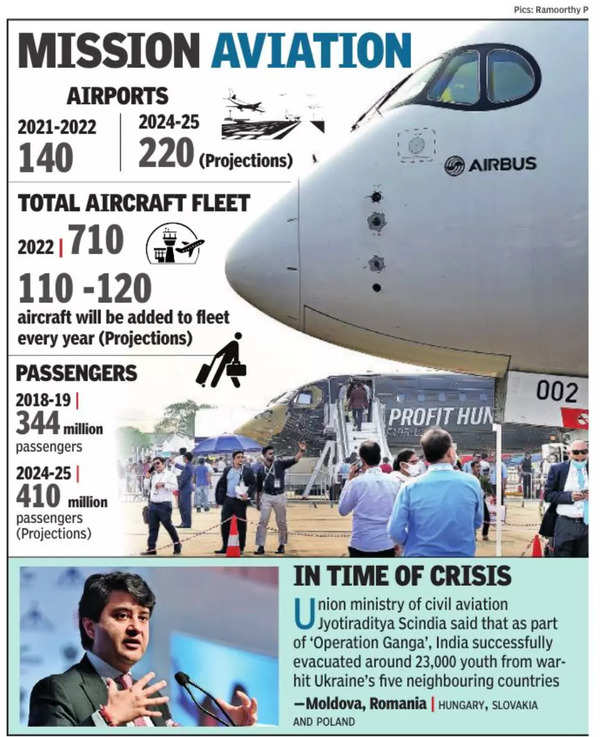
- Expansion of Airports: Operational airports rose from 74 in 2014 to 163 in 2025, with plans for 350–400 by 2047. Greenfield projects like Navi Mumbai International Airport are easing congestion.
- Passenger Traffic: India is the third-largest domestic aviation market, with airports like IGI Delhi handling 77.8 million passengers in 2024. Regional airports also report rising footfall under the UDAN scheme, connecting over 90 airports and 625 regional routes.
- Fleet Growth and Economic Contribution: Airlines are adding ~100 aircraft annually, supporting over 7.7 million jobs indirectly. The sector is projected to grow from $15 billion in 2025 to $26 billion by 2030.
- Expansion of Airports: Operational airports rose from 74 in 2014 to 163 in 2025, with plans for 350–400 by 2047. Greenfield projects like Navi Mumbai International Airport are easing congestion.
-
Regulatory Framework:
-
-
- MoCA: Provides policy direction, bilateral agreements, and oversees UDAN and airport privatisation.
- DGCA: Technical regulator overseeing safety, licensing, certification, and Air Operator Certificates.
- AAIB: Investigates accidents and issues safety recommendations.
- AAI: Manages airport infrastructure, ATC, and regional connectivity.
- BCAS: Ensures aviation security and compliance with global anti-terror norms.
- MoCA: Provides policy direction, bilateral agreements, and oversees UDAN and airport privatisation.
-
Legislation:
-
-
- Bhartiya Vayuyan Adhiniyam, 2024: Modernises civil aviation law, strengthens safety oversight.
- Protection of Interest in Aircraft Objects Act, 2025: Secures aircraft leasing, financing, and creditor rights.
- Bhartiya Vayuyan Adhiniyam, 2024: Modernises civil aviation law, strengthens safety oversight.
-
Conclusion:
The Baramati crash underscores the Parliamentary panel’s warning: strengthening regulatory capacity, surveillance, operator safety systems, and airport infrastructure is critical to safeguarding India’s fastest-growing aviation market.



