
Context:
Recently, researchers at the Indian Institute of Technology Bombay (IIT Bombay) developed a gentler and more effective method to recover lab-grown T cells for cancer immunotherapy — a crucial step in improving the reliability and affordability of advanced treatments such as CAR T-cell therapy. The study was published in Biomaterials Science and featured in the European Society for Biomaterials conference collection.
About the Research:
-
-
- CAR T-cell therapy involves extracting a patient’s T cells, engineering them in the laboratory to target cancer, expanding their numbers, and reinfusing them into the patient. While techniques for growing T cells have advanced significantly, retrieving them intact and fully functional remains a major challenge.
- Traditionally, T cells are cultured on flat plastic surfaces, which do not replicate the body’s natural environment. To address this, researchers now use three-dimensional (3D) fibrous scaffolds that mimic human tissue, enabling T cells to grow faster and multiply more effectively. However, these cells adhere tightly to the scaffold fibres, making their recovery difficult without causing damage.
- The IIT Bombay team tested three methods to retrieve T cells:
- Manual flushing with growth medium
- Use of TrypLE, a strong detaching enzyme
- Use of Accutase, a gentler enzyme solution
- Manual flushing with growth medium
- While all three methods recovered similar numbers of cells, Accutase proved superior in preserving cell viability and immune function. Cells recovered using Accutase continued to grow and behaved like healthy T cells, unlike those retrieved using harsher methods, which damaged surface proteins essential for immune activation.
- CAR T-cell therapy involves extracting a patient’s T cells, engineering them in the laboratory to target cancer, expanding their numbers, and reinfusing them into the patient. While techniques for growing T cells have advanced significantly, retrieving them intact and fully functional remains a major challenge.
-
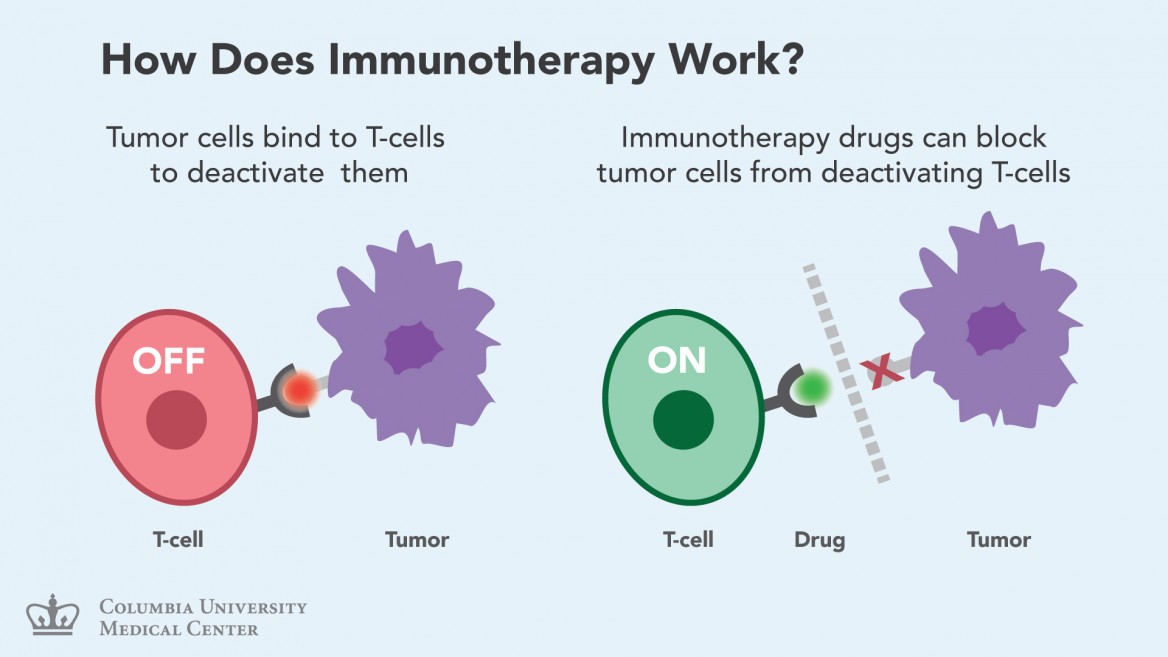
About T Cells and CAR T-Cell Therapy:
What Are T Cells?
T cells are white blood cells that play a central role in the immune system. They patrol the body, detect abnormal cells—including cancer cells—and either destroy them directly or activate other immune responses, making them critical to immunotherapy.
What Is CAR T-Cell Therapy?
CAR T-cell (Chimeric Antigen Receptor T-cell) therapy involves engineering a patient’s own T cells to better recognise and attack cancer cells. The process includes:
1. Collecting T cells from the patient’s blood
2. Introducing a gene encoding a CAR receptor in the laboratory
3. Expanding the engineered cells and reinfusing them into the patient
Globally, CAR T-cell therapy is approved for certain blood cancers, such as leukemia and lymphoma, and has shown dramatic responses in patients with treatment-resistant disease. However, it remains expensive and is still under investigation for solid tumours.
Importance of Recovery in Immunotherapy:
Growing T cells is only part of the challenge. For immunotherapy to succeed, the cells must remain viable, functional, and undamaged during recovery. The IIT Bombay finding that Accutase can gently detach cells ensures healthier and more functional T cells, representing a crucial step toward reliable and scalable immunotherapies.
Conclusion:
The IIT Bombay study addresses a key technical hurdle in cancer immunotherapy — recovering lab-grown T cells without compromising their function. By demonstrating that gentler recovery techniques preserve cell health, the research strengthens the foundation for effective, scalable, and more affordable cancer therapies, supporting India’s goal of making advanced treatments more accessible.



