
Passive Euthanasia in India: Supreme Court Approves Harish Rana Case
Context:
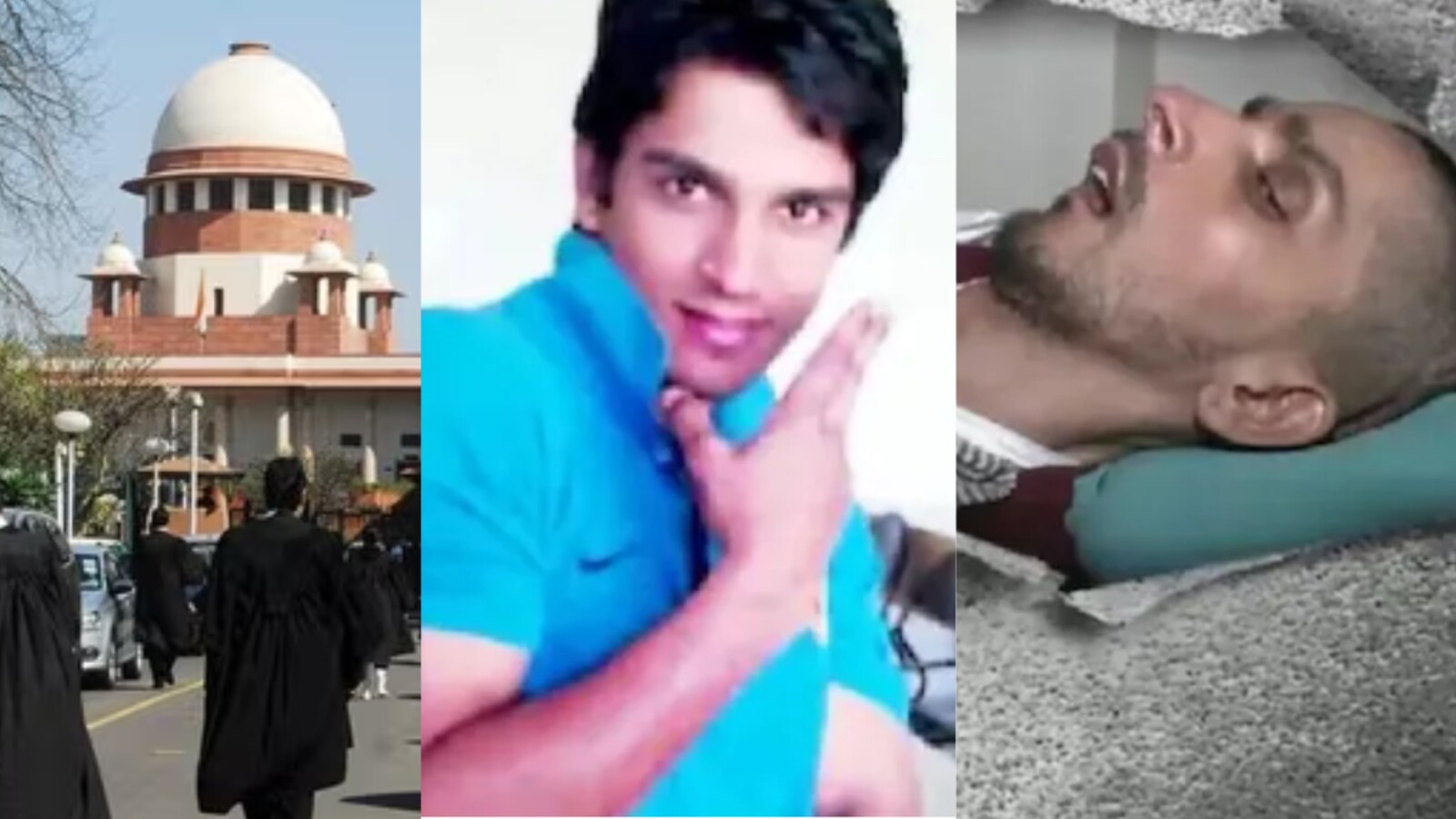
Recently, the Supreme Court of India permitted the withdrawal of life-sustaining treatment for Harish Rana, a man who had remained in a permanent vegetative state since 2013. The Court directed that the process must be carried out “in a humane manner”, emphasising dignity in end-of-life care. The judgment is considered the first individual case where the Court formally allowed passive euthanasia under the legal framework established earlier by constitutional bench rulings.
Background of the Case:
-
-
- Harish Rana suffered severe brain injuries after falling from the fourth floor of an apartment in Chandigarh in 2013, leaving him in a permanent vegetative state with no signs of recovery for more than a decade.
- His family approached the Supreme Court seeking permission to withdraw life-supporting medical treatment, including clinically assisted nutrition and hydration. The Court ultimately accepted the request after considering medical board opinions and the family’s consent.
- The Court also directed the All India Institute of Medical Sciences (AIIMS), Delhi to provide palliative care and oversee the withdrawal of treatment in a compassionate manner.
- Harish Rana suffered severe brain injuries after falling from the fourth floor of an apartment in Chandigarh in 2013, leaving him in a permanent vegetative state with no signs of recovery for more than a decade.
-
About Euthanasia:
Euthanasia refers to intentionally ending a person’s life to relieve suffering. In India, the law distinguishes between two types:
-
-
- Active Euthanasia
- Directly causing death, usually through administration of a lethal substance.
- Not Allowed in India.
- Directly causing death, usually through administration of a lethal substance.
- Passive Euthanasia
- Withholding or withdrawing life-sustaining medical treatment such as ventilators or feeding tubes.
- Allows the patient to die naturally.
- Permitted in India under specific conditions.
- Withholding or withdrawing life-sustaining medical treatment such as ventilators or feeding tubes.
- Active Euthanasia
-
Legal Evolution of Euthanasia in India:
-
-
- Aruna Shanbaug Case (2011): The Supreme Court first allowed passive euthanasia in principle while deciding the Aruna Shanbaug case, laying down guidelines for withdrawal of life support.
- Common Cause Judgment (2018): A Constitution Bench recognised the “right to die with dignity” as part of Article 21 (Right to Life) and allowed passive euthanasia along with living wills or advance directives.
- Modification of Guidelines (2023): The Court simplified procedures by reducing bureaucratic requirements and clarifying the role of medical boards in decision-making.
- Aruna Shanbaug Case (2011): The Supreme Court first allowed passive euthanasia in principle while deciding the Aruna Shanbaug case, laying down guidelines for withdrawal of life support.
-
The Harish Rana case represents the first major application of these guidelines in an individual petition.
Ethical and Legal Significance:
-
- The ruling highlights important issues:
- Right to die with dignity under Article 21
- Balancing medical ethics, patient autonomy, and family consent
- Need for clear legal frameworks for end-of-life decisions
- Strengthening palliative care systems in India
- Right to die with dignity under Article 21
- The ruling highlights important issues:
Conclusion:
The Supreme Court’s decision in the Harish Rana case marks a significant development in India’s jurisprudence on euthanasia and end-of-life care. By emphasising dignity, compassion, and medical oversight, the judgment reinforces the constitutional principle that the right to life includes the right to die with dignity. The ruling also highlights the urgent need for comprehensive legislation on passive euthanasia and palliative care in India.



