
Context:
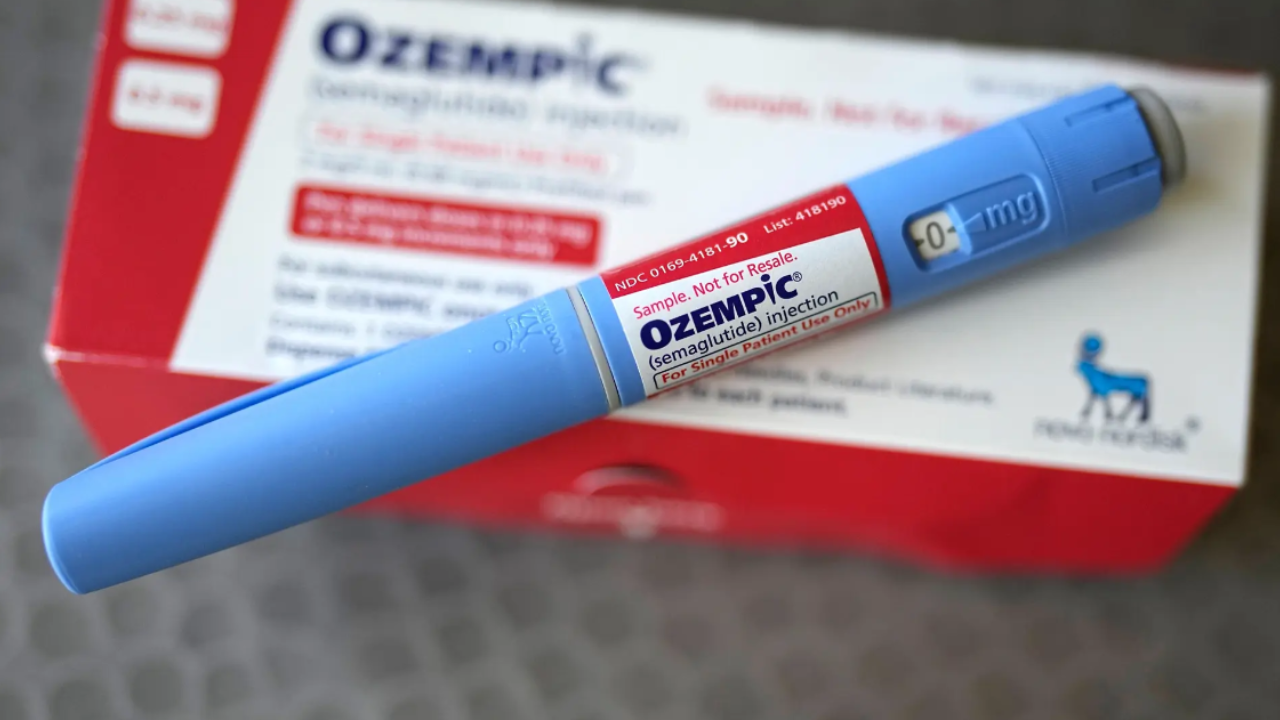
Recently, Danish pharmaceutical company Novo Nordisk launched Ozempic (injectable semaglutide) in India. Ozempic is a once-weekly injectable medication designed to help manage Type 2 Diabetes Mellitus (T2DM). Type 2 Diabetes Mellitus is a chronic metabolic disorder in which the body either does not produce sufficient insulin or fails to use insulin effectively (insulin resistance), leading to elevated blood glucose levels.
About Ozempic:
-
- Class:
- GLP-1 receptor agonist (GLP-1 RA)
- GLP-1 receptor agonist (GLP-1 RA)
- Mechanism of Action:
- Stimulates the pancreas to release insulin in a glucose-dependent manner when blood sugar levels are high.
- Suppresses excessive glucose production by the liver.
- Regulates appetite and food intake by acting on hunger-control centres in the brain.
- Stimulates the pancreas to release insulin in a glucose-dependent manner when blood sugar levels are high.
- Indications:
- Adults with inadequately controlled Type 2 diabetes.
- Used as an adjunct to diet modification and physical exercise.
- Adults with inadequately controlled Type 2 diabetes.
- Additional Benefits:
- Supports weight loss in patients with Type 2 diabetes.
- Reduces the risk of cardiovascular and kidney-related complications associated with diabetes.
- Supports weight loss in patients with Type 2 diabetes.
- Class:
About GLP-1 Drugs:
GLP-1 drugs, such as semaglutide (Ozempic/Wegovy) and tirzepatide (Mounjaro/Zepbound), mimic the action of the natural glucagon-like peptide-1 (GLP-1) hormone. They help regulate blood glucose levels, enhance insulin response, slow gastric emptying, and suppress appetite. These drugs have demonstrated significant benefits in obesity management and overall metabolic health.
Benefits of GLP-1 Drugs:
-
- Improved Insulin Secretion: GLP-1 drugs enhance glucose-dependent insulin secretion from the pancreas and reduce hepatic glucose production.
- Cardiovascular and Renal Benefits: Clinical studies show that these medications can reduce cardiovascular risk and offer renal protection in patients with Type 2 diabetes.
- Weight Loss Support: By suppressing appetite and slowing digestion, GLP-1 drugs contribute to sustained and clinically meaningful weight loss.
- Improved Insulin Secretion: GLP-1 drugs enhance glucose-dependent insulin secretion from the pancreas and reduce hepatic glucose production.
Efficacy of Ozempic:
-
- Clinically proven to significantly reduce HbA1c levels while providing weight-loss benefits.
- Demonstrates cardiovascular and kidney protection in patients with Type 2 diabetes.
- The once-weekly injectable formulation improves treatment adherence compared to daily oral medications.
- Clinically proven to significantly reduce HbA1c levels while providing weight-loss benefits.
Implications for Public Health:
-
- India has a high and rising prevalence of Type 2 diabetes and obesity, underscoring the need for effective long-term therapies.
- Ozempic and other GLP-1 drugs may improve the management of chronic metabolic diseases, thereby reducing long-term complications and healthcare costs.
- Wider adoption could support India’s preventive healthcare goals, particularly in urban populations affected by lifestyle-related disorders.
- India has a high and rising prevalence of Type 2 diabetes and obesity, underscoring the need for effective long-term therapies.
Conclusion:
The launch of Ozempic in India represents a significant advancement in the management of Type 2 diabetes and obesity, especially for patients requiring integrated metabolic care. While the drug offers multiple clinical benefits, its use must be carefully monitored to ensure safety, affordability, and appropriate prescription. With expanding therapeutic options, personalized treatment approaches, and potential cost reductions in the future, Ozempic could emerge as a key tool in India’s fight against diabetes and obesity, aligning with broader public health objectives.



