Daily-current-affairs
/
25 Oct 2020
Seals or Pinnipeds : Daily Current Affairs
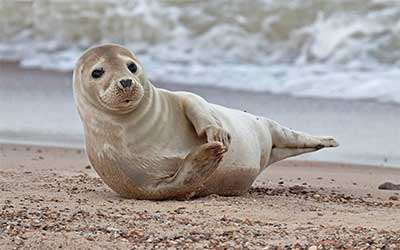
Seals or Pinnipeds
Why in NEWS ?
- Recently, an estimated 7,000 Cape fur seals have been discovered dead at a breeding colony
in central Namibia.
About
- Conservationist Naude Dreyer of the charity Ocean Conservation Namibia began
noticing dead seals littering the sandy beaches of the Pelican Point colony near
Walvis Bay city in September.
- Then in the first two weeks of October he found large numbers of seal foetuses at
the colony.
- It was estimated that between 5,000 and 7,000 female seals had miscarried young
with more still being found.
Cause
- The cause of the mass die off is yet to be established but scientists suspect anything
from pollutants or bacterial infection to malnutrition.
- Some of the dead females found were thin-looking, emaciated, with very little fat
reserves, Scientists are collecting samples for testing.
- Annely Haiphene, executive director in the Ministry of Fisheries and Marine
resources, told that she suspected the seals died from “lack of food” but will wait till
the outcome of the tests.
Similar incident
- In 1994 some 10,000 seals died and 15,000 foetuses were aborted in a mass die off that was
linked to starvation suspected to have resulted from a shortage of fish as well as from a
bacterial infection at another breeding colony, the Cape Cross, some 116 kilometres north
of the central tourist town Swakopmund.
Seals
- Pinnipeds, commonly known as seals, are a widely distributed and
diverse clade of carnivorous, fin-footed, semiaquatic marine mammals.
- They comprise the extant families Odobenidae (whose only living member is
the walrus), Otariidae, including numerous kinds of fur seal and sea lion; and the
earless seals, known as true seals or Phocidae.
- There are 33 extant species of pinnipeds, and more than 50 extinct species have
been described from fossils. Pinnipeds belong to the order Carnivora and their
closest living relatives are bears and the superfamily
of musteloids (weasels, raccoons, skunks, and red pandas), having diverged about
50 million years ago.
Threat
- Climate change represents the single largest threat to many species of pinnipeds,
especially those that rely on sea ice.
- Various species of Arctic seals rely on ice for breeding, for instance, while walruses
use seasonal ice formations to forage for food farther from shore.
- Ringed seals build caves in the snow and create holes in the ice that give them access
to the ocean. If that snow melts earlier than usual, it will put the animals at greater
risk of predation from polar bears.




